
Dimensional control
Digital
thickness gauge
Simplicity and performance. Our digital thickness gauges are designed to meet the most demanding requirements for precision and reliability.
6
Digital models
0 to 120 mm
Measuring ranges
0.005 mm
Best resolution
External and internal
Measurement types
Our range
Our digital thickness gauges
External · Digital
C3R30
Range 0 to 30 mm, resolution 0.02 mm, maximum error 0.04 mm.
External · Digital
K110
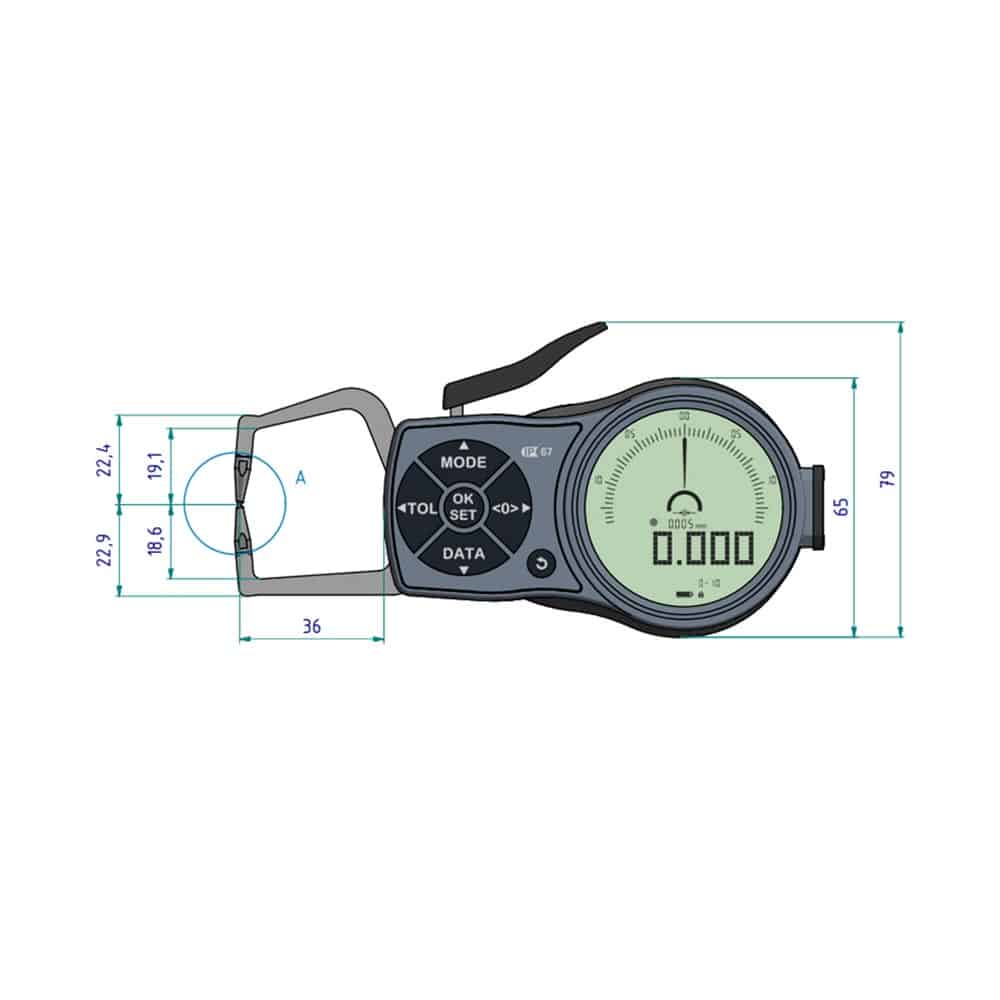
Range 0 to 10 mm, resolution 0.005 mm, maximum error 0.03 mm.
External · Digital
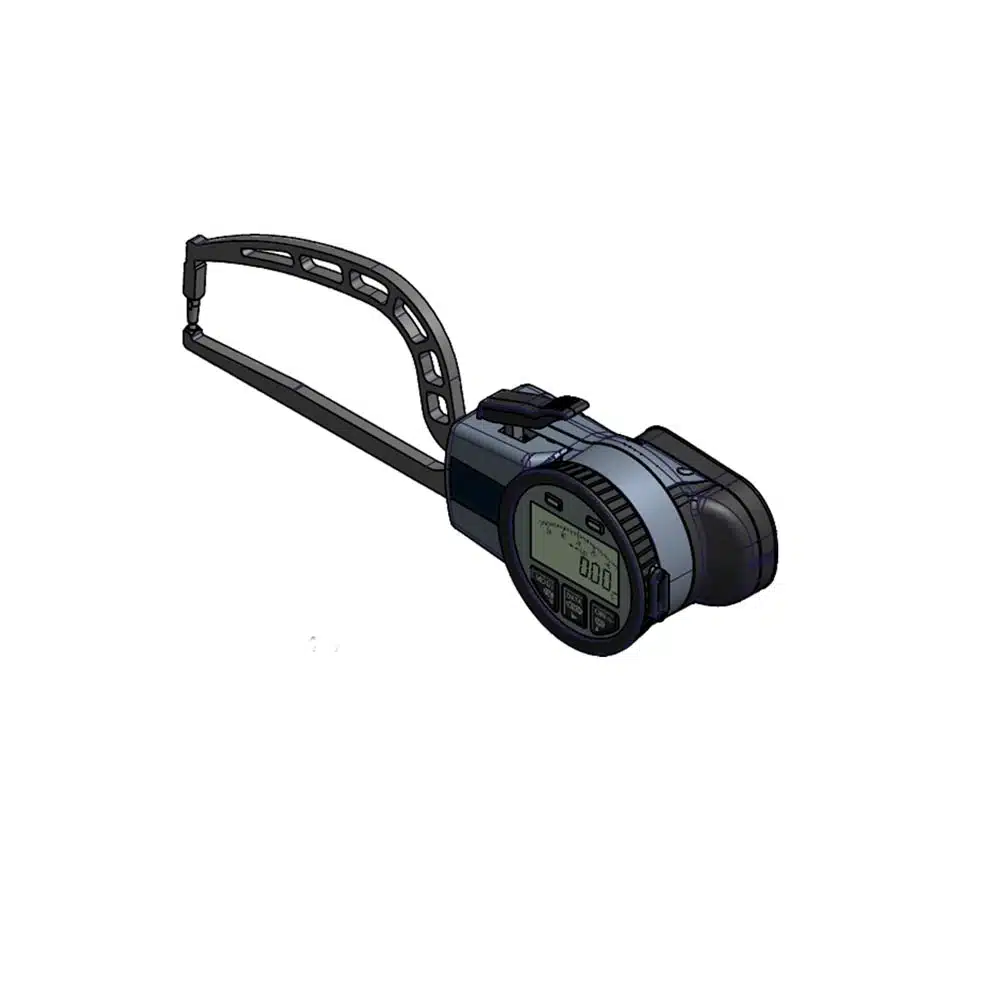
K4R50-K
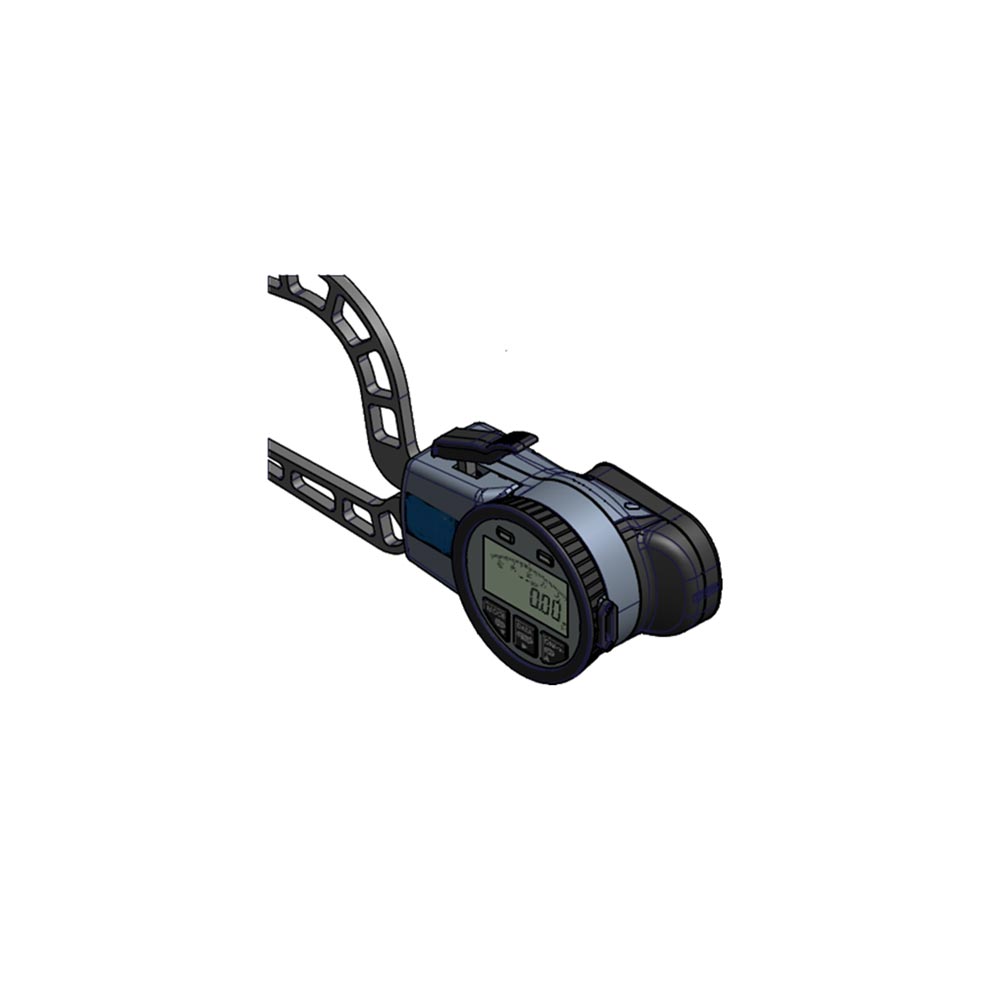
Range 0 to 50 mm, resolution 0.02 mm, maximum error 0.06 mm.
Internal · Digital
G313
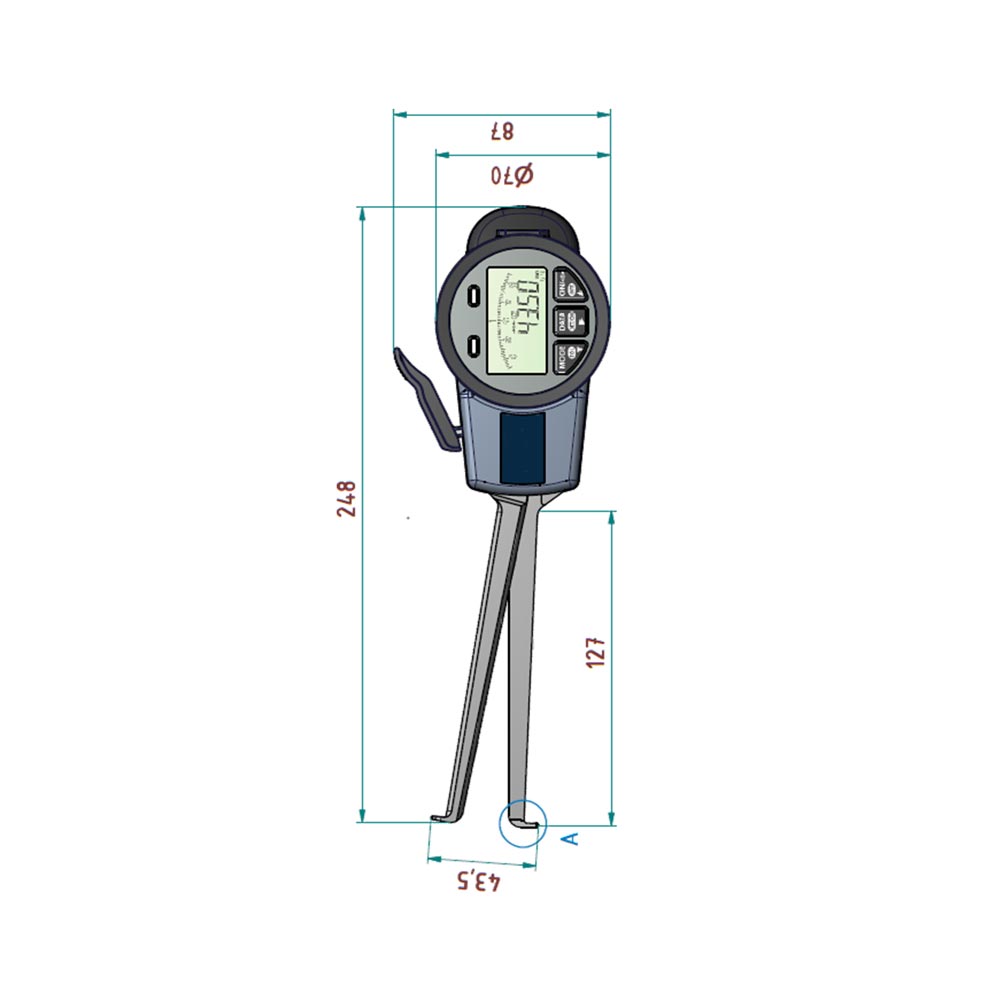
Range 13 to 43 mm, resolution 0.02 mm, maximum error 0.04 mm.
Internal · Digital
G390
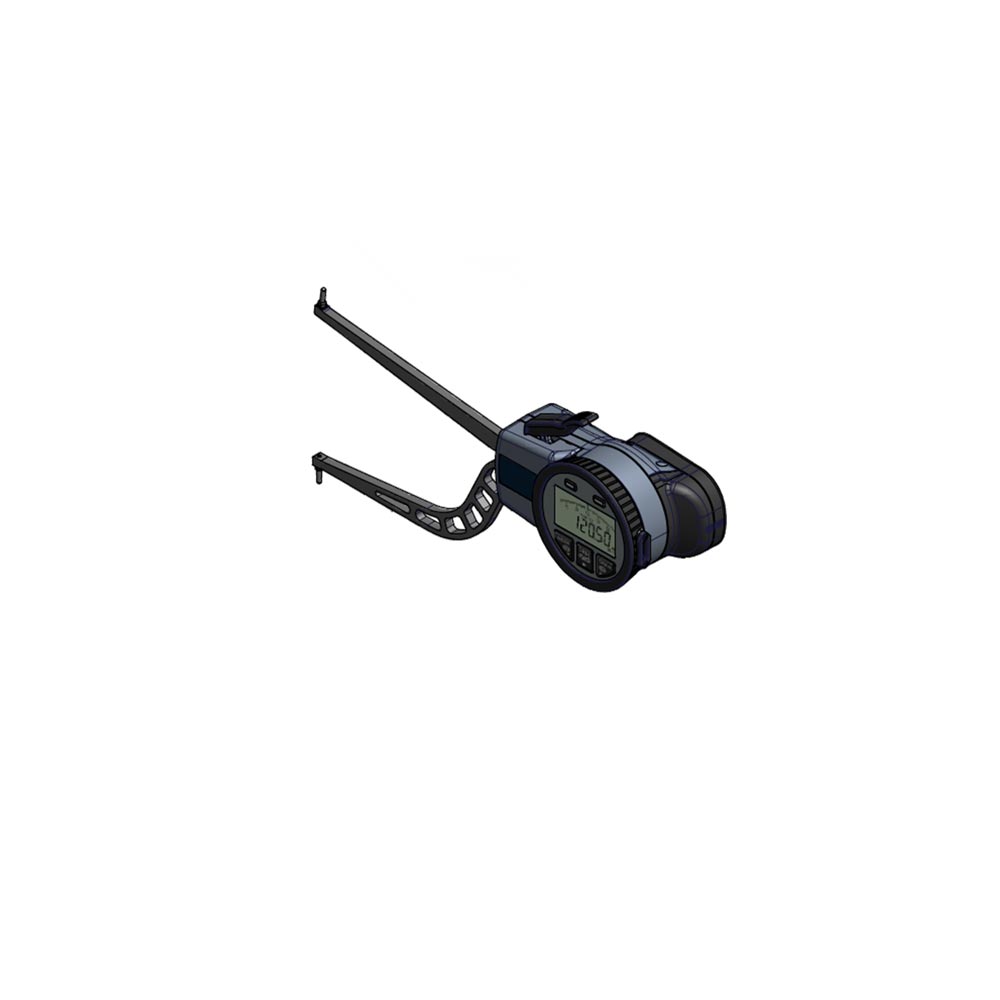
Range 90 to 120 mm, resolution 0.02 mm, maximum error 0.04 mm.
Internal · Digital
L210
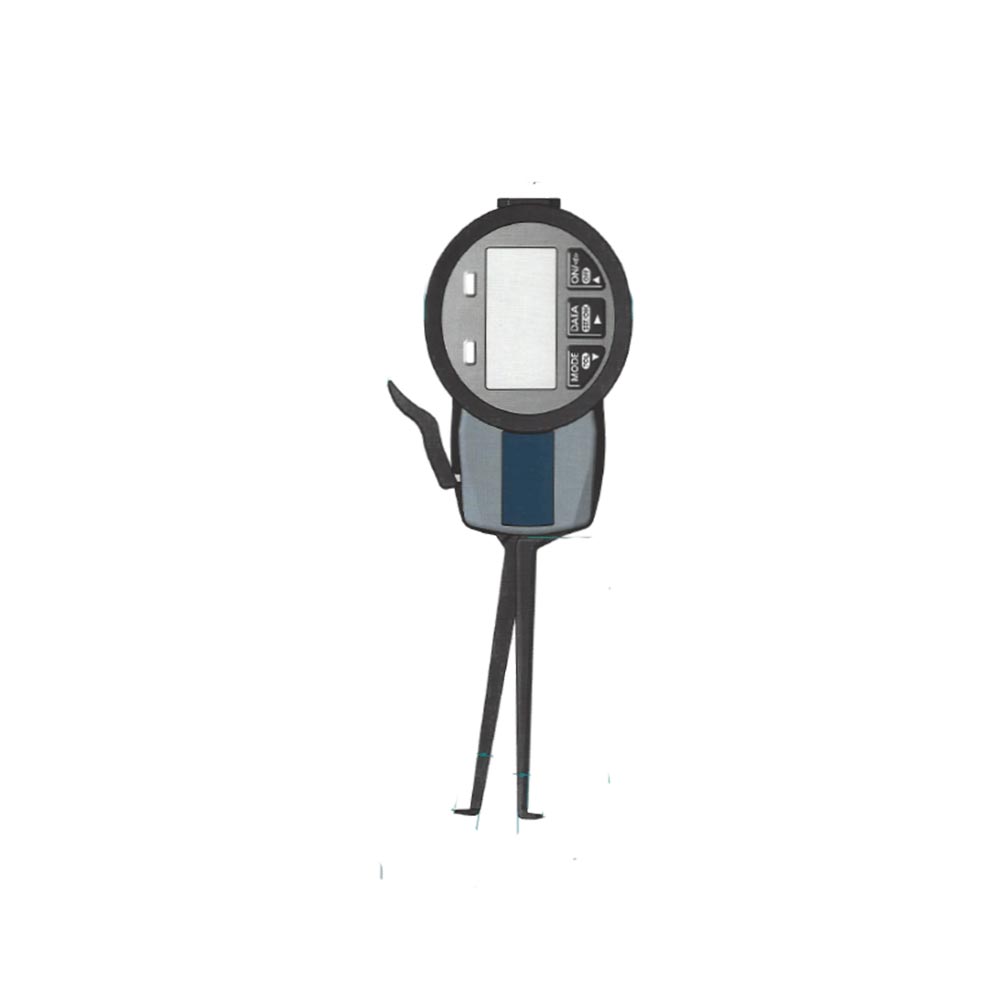
Range 10 to 30 mm, resolution 0.01 mm, maximum error 0.03 mm.
Comparison
Which digital thickness gauge should you choose?
| Criterion | C3R30 | K110 | K4R50-K | G313 | G390 | L210 |
|---|---|---|---|---|---|---|
| Type | External | External | External | Internal | Internal | Internal |
| Range | 0 to 30 mm | 0 to 10 mm | 0 to 50 mm | 13 to 43 mm | 90 to 120 mm | 10 to 30 mm |
| Resolution | 0.02 mm | 0.005 mm | 0.02 mm | 0.02 mm | 0.02 mm | 0.01 mm |
| Max. error | 0.04 mm | 0.03 mm | 0.06 mm | 0.04 mm | 0.04 mm | 0.03 mm |
| Repeatability | 0.02 mm | 0.01 mm | 0.04 mm | 0.02 mm | 0.02 mm | 0.01 mm |
| Weight | 410 g | 270 g | 460 g | 360 g | 380 g | 250 g |
To compare all 12 analog and digital models, see our thickness gauge comparison.
ACRN expertise
Why choose our thickness gauges?
At ACRN, we know that every quality control requires reliable and suitable measuring instruments. Our digital thickness gauges, whether used for industrial, mechanical or maintenance applications, are designed to deliver precision and performance.
Digital precision
Digital precision for reliable, repeatable measurements.
Customizable options
Customizable options to suit your materials and thicknesses.
Support
Technical support from our metrology experts.
Frequently Asked Questions
Frequently asked questions about the digital thickness gauge
What is a digital thickness gauge?
A digital thickness gauge is an electronic device designed to measure the thickness of various materials (metal, plastic, paint, paper, etc.) with great precision. Unlike analog models, it instantly displays the measured value on a digital screen.
How does a digital thickness gauge work?
Operation depends on the type of meter:
-
Ultrasound: sends a sound wave through the material and measures the return time.
-
Contact (probe): uses a pressure or displacement sensor to measure the thickness between two points.
-
Electromagnetic: measures the thickness of non-conductive coatings on metal surfaces.
What are the advantages of a digital thickness gauge?
The main advantage of a digital thickness gauge is its ability to provide fast, reliable and highly accurate measurements. The digital display makes it easy to read results immediately, even in low-light conditions. What’s more, some models offer advanced features such as data storage or the ability to transfer data to a computer via a USB or Bluetooth connection, which is particularly useful for quality monitoring.
In what sectors is a digital thickness gauge used?
This type of device is used in a wide range of industrial sectors, including automotive, aeronautics, quality control, industrial painting and metal equipment maintenance. It is also used in laboratories, printing works and in the plastics industry, to guarantee that materials conform to precise tolerances.
What materials can you measure with a digital thickness gauge?
A digital thickness gauge can be used to measure a wide variety of materials. Depending on the model, it can be used on metals such as steel or aluminum, plastics, wood, glass, paper, film or even paint and varnish coatings. This makes it a highly versatile tool for non-destructive testing.
How to choose the right digital thickness gauge?
To choose the right digital thickness gauge for your needs, it’s important to consider the type of material to be measured, the accuracy required, the operating environment, as well as the desired features. Some devices are designed for very specific measurements, while others are more versatile. It may also be useful to check whether the model allows data export or is designed for use in harsh conditions.
To compare the ranges, resolutions and maximum errors of the 12 analog and digital models, see our thickness gauge comparison.
Do I need to calibrate a digital thickness gauge?
Yes, calibration is essential to guarantee the reliability and accuracy of measurements. We recommend regular calibration using the blocks or standards supplied with the device. This operation ensures that the device remains compliant with the tolerances required for your quality controls or inspections.
Your project
Need advice or a personalized quote?
Tell us about your parts and materials (thickness, required accuracy): we will recommend the right gauge.