
Torque Control
Key controller
torque
Our torque wrench testers are designed to meet the most demanding torque testing requirements. Simplicity and performance, for reliable and precise clamping.
Quality Control & Reliability
Check, adjust, and calibrate the accuracy of your torque wrenches and torque screwdrivers in accordance with ISO 6789-1.
|
CE Conformity ISO 6789-1 |
Frequency 1 year / 5,000 cycles |
|
Inspection Tightening & loosening |
Calibration COFRAC |
- Utightening & loosening
- UDigital display / RS-232
- Uin accordance with ISO 6789-1
- USetup and Support
Our product line
Discover our range of controllers
Mechanical controller
Acratork
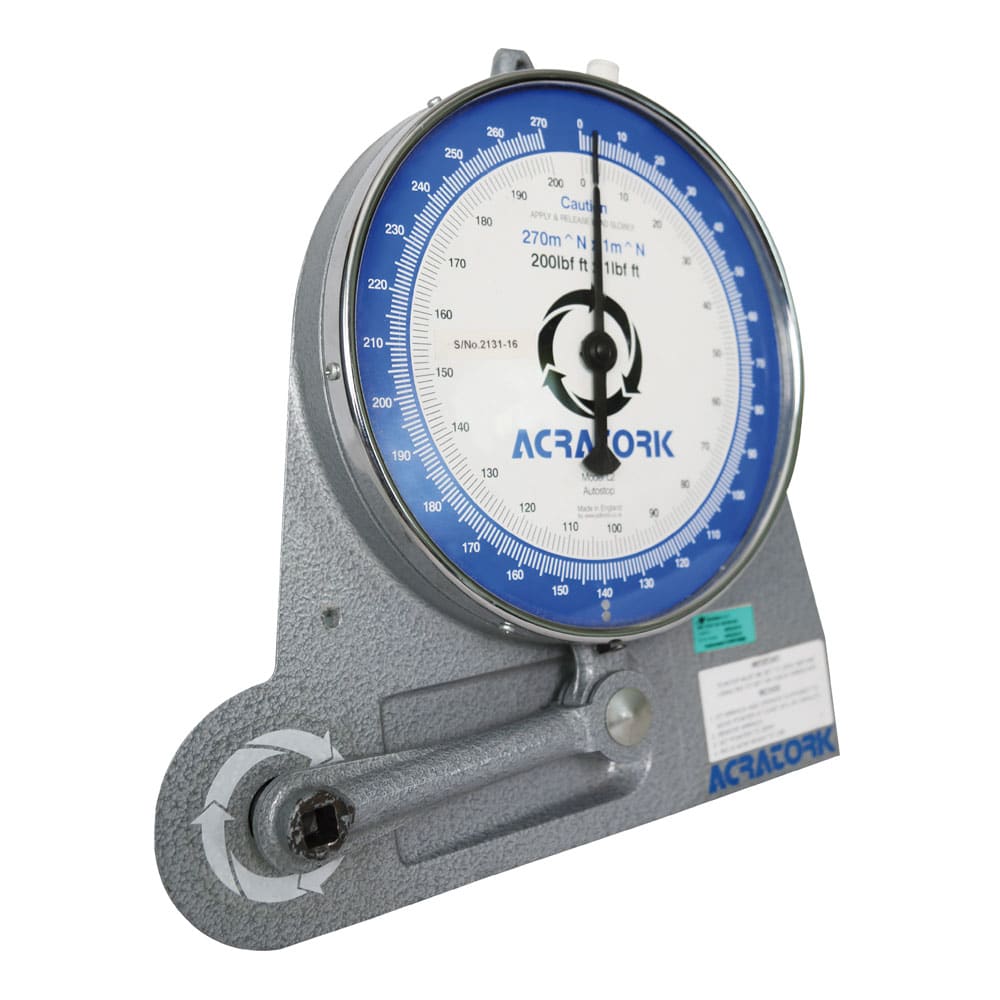
The Acratork precisely controls, adjusts, and calibrates hand-operated torque wrenches and screwdrivers. Extremely durable and lightweight, it offers high precision and excellent long-term performance.
- EMechanical dial gauge
- ETightening & loosening
- EDurable & lightweight
- EAdjustment and Calibration
Digital controller
Dremotest E
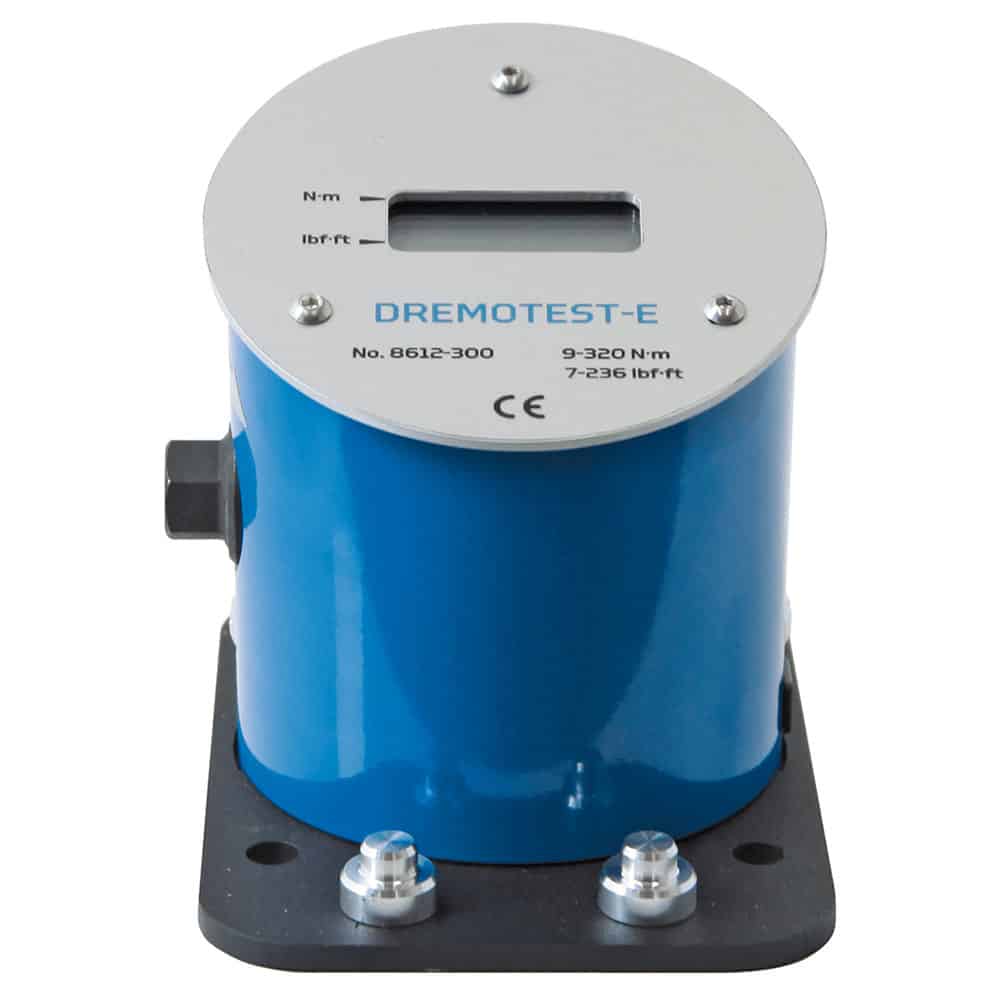
The Dremotest E is a simple and precise torque wrench testing and setting device. Economical model with digital display and RS232 output. The operator positions the wrench on the side; checks for tightness and looseness.
- EDigital display
- ERS232 Output
- ETightening & loosening
- EBusiness model
Help with choosing
Acratork or Dremotest E ?
| Criterion | Acratork | Dremotest E |
|---|---|---|
| Technology | Mechanical Analog | Digital |
| Reading / Outing | Memory needle | Display + RS232 |
| Tightening / loosening | Yes | Yes |
| Adjustment & Calibration | Yes | Yes |
| Ideal use | Workshop / Field | Production |
Product Spotlight
Dremotest E — Testing Made Easy
The operator inserts the key into the side of the device and presses the button: the value appears instantly. Ideal for a quick check at the start of a shift and for adjusting ratchet wrenches.
- EClear digital display
- ERS232 Output
- ETightening & loosening
- EBusiness model
Why monitor?
ISO 6789-1 Standard & Traceability
1 year / 5,000 cycles
According to ISO 6789-1, torque tools are calibrated at the time of manufacture and then annually or every 5,000 cycles, whichever comes first.
Drift factors
Mechanical wear, storage conditions (humidity, extreme temperatures), impacts, and rough handling can affect accuracy.
COFRAC
ACRN operates its own COFRAC-traceable metrology laboratory, issues calibration certificates, and provides on-site services.
Applications & Industries
Where torque control is critical
Torque control is a requirement common to many industrial sectors. Whether it’s ensuring the safety of a structural assembly or the compliance of a production line, regular inspection of torque wrenches ensures the reliability and traceability of your operations.
Sector 01
Aeronautics & Automotive
For structural assemblies and engine components, maintaining the correct torque is a safety requirement. Regular inspection of torque wrenches ensures that each critical fastener is tightened to the specified torque value, without being under- or over-tightened.
On the production line, screwdrivers and torque wrenches must be checked periodically to ensure batch compliance. The Dremotest E enables quick checks at the start of a shift, while the Acratork handles the adjustment and calibration of hand tools.
Sector 02
Industrial production
Frequently Asked Questions
Frequently asked questions about the torque wrench controller
01
What is a torque wrench tester?
A torque wrench tester is a device used to check and calibrate the accuracy of torque wrenches. It ensures that the tools apply the correct torque when tightening the fasteners, thus ensuring the quality and safety of the assemblies.
02
Why is it important to calibrate a torque wrench?
Regular calibration of torque wrenches is essential to maintain their accuracy and guarantee reliable performance. According to ISO 6789-1, torque tools must be calibrated during manufacture and then annually or every 5,000 cycles of use.
03
How often should a torque wrench be calibrated?
It is recommended that torque wrenches be calibrated at least once a year or after 5,000 cycles of use, whichever comes first. This practice ensures consistent precision and reduces the risks associated with incorrect tightening torques.
04
What factors can affect the accuracy of a torque wrench?
Several factors can affect the accuracy of a torque wrench:
- mechanical wear caused by frequent use;
- storage conditions, such as humidity or extreme temperatures;
- shocks or rough handling.
Regular maintenance and proper handling are essential to maintaining the tool’s accuracy.
05
How do I choose the right torque wrench controller for my needs?
When choosing a controller, consider the following:
- the torque range it can measure, depending on the tools you use;
- the precision required for your specific applications;
- additional features, such as data logging or compatibility with different types of keys.
We recommend consulting the manufacturer’s technical specifications to ensure that the controller meets your requirements.