
Measurement of
Torque
Torque meters, torque transducers, and industrial sensors for quality control in manufacturing.
- COFRAC
- Made in France
- UHigh precision
- Custom solutions
- Dedicated After sale
- UPharmaceutical
- UAgri-food
- UCosmetics
- UBottling
- UIndustry
- UAutomotive
Complete range
Our torque measurement solutions
From portable torque meters to onboard torque sensors in screwdrivers—the right tool for every industrial quality control need.
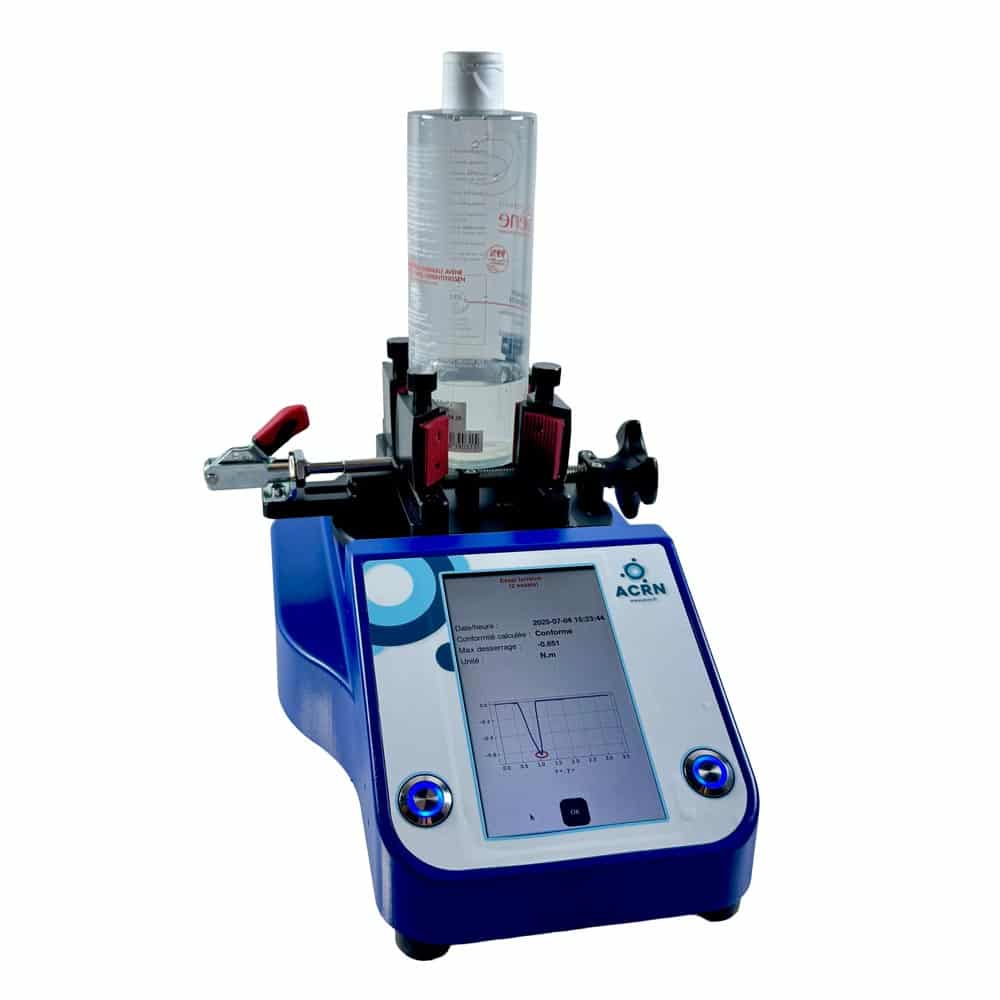
Torque tester
Industrial torque tester
Precise torque measurement for manual applications in production and laboratory settings.
- EPrecise digital measurement
- EEase of use
- ESuitable for production testing
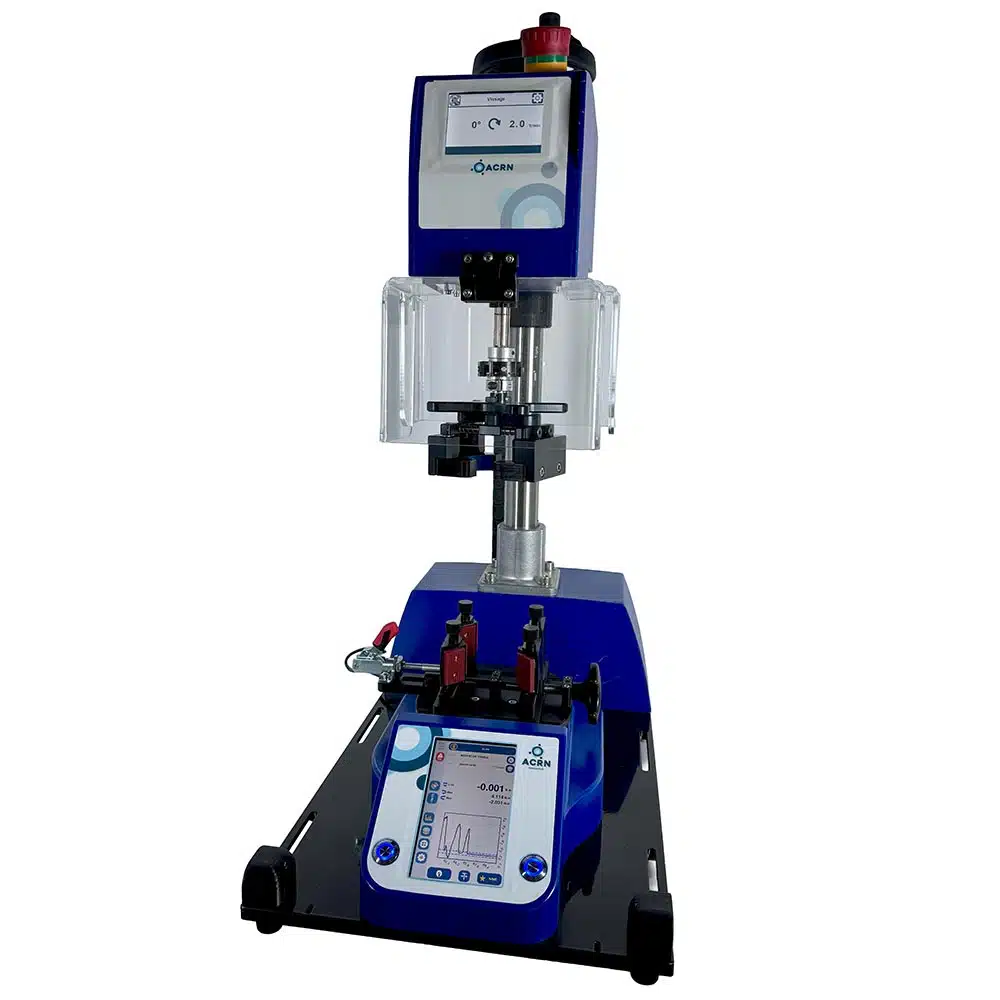
Semi-automated
Motorized torque meter
Semi-automatic testing with speed control for optimal repeatability in production runs.
- ESemi-automatic test
- EBetter repeatability
- ESpeed control

wrench
Torque wrench
Precise, controlled tightening for field applications. Compact, ergonomic, reliable.
- EControlled tightening
- ECompact and ergonomic
- EPrecision guaranteed
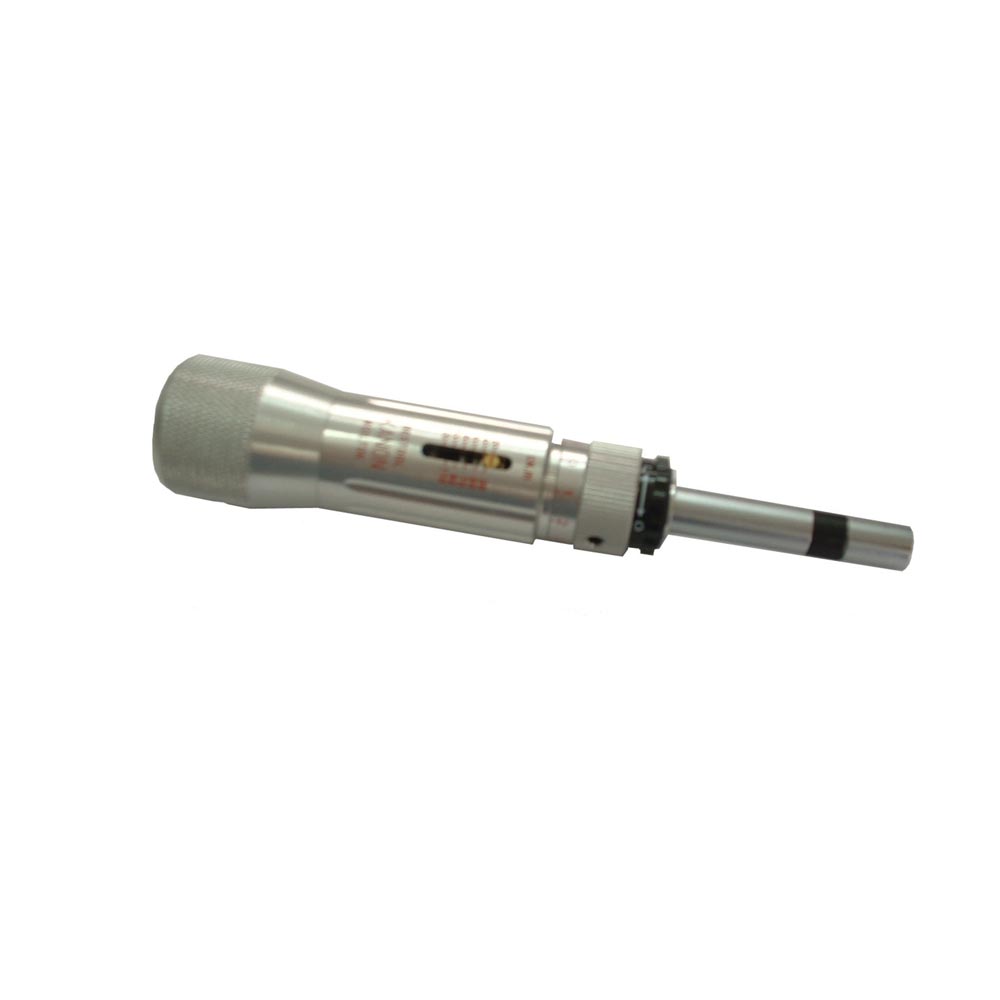
Torque screwdriver
Precise torque adjustment for small assemblies.
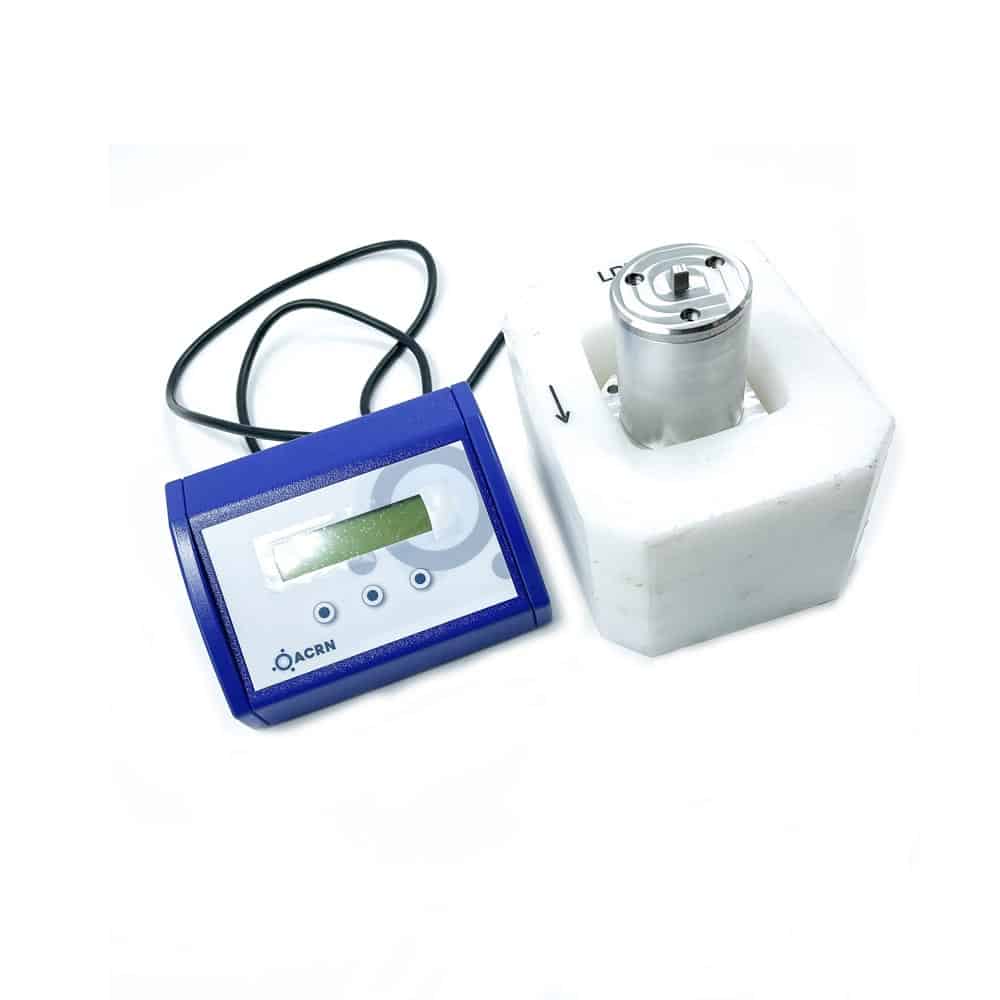
Sensor & Screwdriver
On-board measurement using a screwdriver — compatible with test benches.
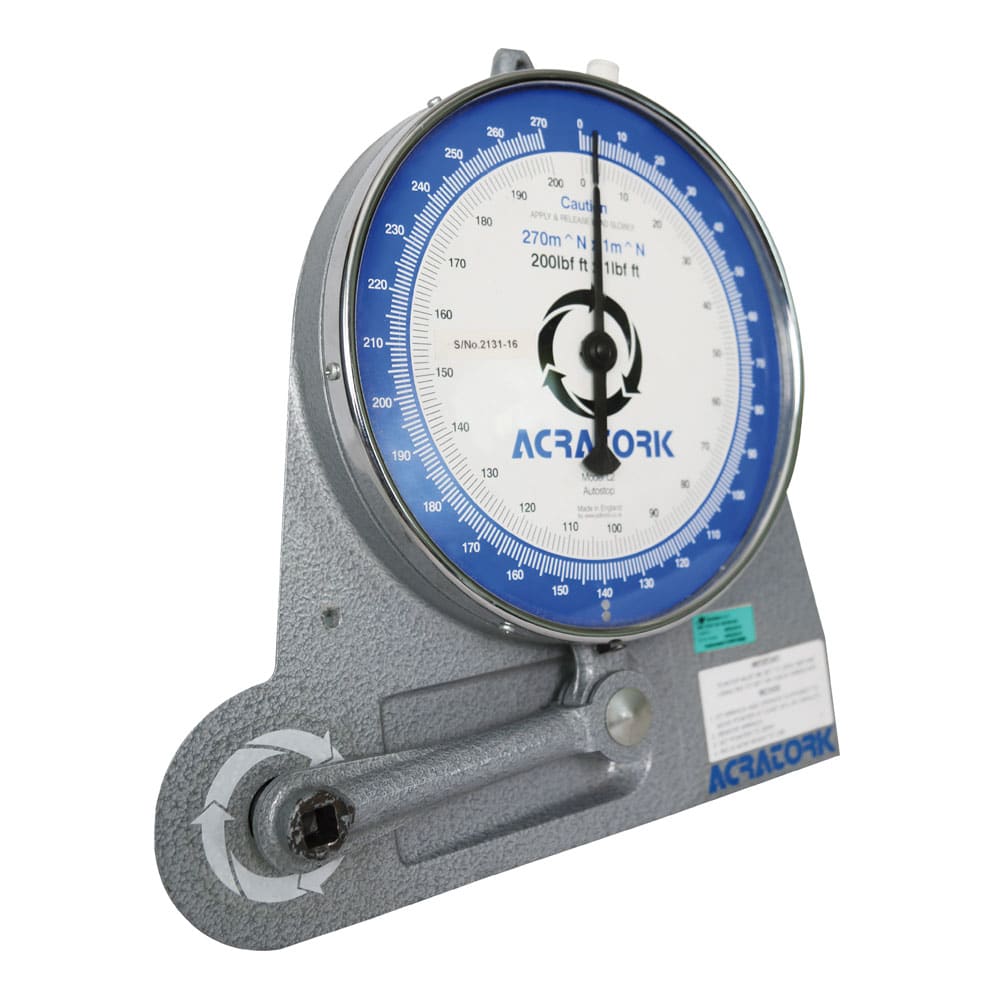
Torque controllers
Tightness testing, multi-purpose, high reliability.
Why measure torque?
Industrial Challenges
Torque plays a role in countless processes. Whether in traffic, the automotive industry, or the pharmaceutical sector, quality control is essential to ensure safety, quality, and compliance.
01 Assembly Safety
Parts subject to vibration — tightening must be controlled and traceable.
02 Quality & Water Resistance
Corking and bottling—this process ensures the integrity of the packaging.
03 Regulatory Compliance
Metrological standards and traceability for the pharmaceutical and food industries.
Safety
Assembly & Fastening
Quality
Guaranteed product
Marketing
Legal
Compliance & Standards
Sectors
Our main areas of expertise
Conditionnement & Embouteillage
Contrôle du couple de bouchage sur flacons, bouteilles et bidons. Vérification sur ligne de production par prélèvement aléatoire.
Pharmaceutique & Cosmétique
Serrage des flacons de médicaments, pompes doseuses, aérosols. Traçabilité métrologique raccordée COFRAC.
Agroalimentaire & Packaging
Couple d’ouverture des emballages souples, bouchons de conserves et boissons, contrôle des soudures sur lignes de conditionnement.
Automobile & Aéronautique
Serrage contrôlé des assemblages mécaniques, vérification des clés dynamométriques, test de couples de serrages critiques.
Industries & Assemblage
Contrôle de visseuses et tournevis dynamométriques, mesure du couple résiduel, qualification des outils de serrage.
R&D & Laboratoires
Caractérisation des matériaux, tests de fatigue en rotation, génération de courbes couple/angle, mesures répétitives automatisées.
Note
Nos solutions s’adaptent à de nombreux autres secteurs industriels. N’hésitez pas à nous contacter pour discuter de vos besoins spécifiques.
For any special requests, our team of technicians will conduct a project analysis to offer you the best value for your money
Why ACRN?
Our Commitments
Designed in France
Durable machines, manufactured and assembled in our workshops in Normandy.
COFRAC
Custom-made
Dedicated After sale
Technicians are here to assist you with maintenance and support.
Need a torque measurement solution?
Our experts will help you choose the instrument best suited to your processes and industrial requirements.
Torque Measurement in Industry: Challenges and Applications
The concept of mechanical torque is central to the manufacturing of a wide range of products. Torque measurement is essential in any application where rotational force needs to be controlled: screwing on caps, tightening mechanical assemblies, tool inspection, and torque testing in R&D. Insufficient torque can cause leaks or safety issues; excessive torque can damage parts or make it impossible for the end user to open the device.
These checks are essential for addressing safety, quality, and marketing concerns, as well as regulatory requirements—particularly in the pharmaceutical and food industries.
ACRN offers its torque measurement instruments in three main application categories:
Packaging and Bottling Industry
The tightening torque of the cap-and-bottle system must remain within a specified range: not too low (risk of leakage or contamination), nor too high (risk of difficulty opening or damage to the cap). The torque meter is the standard instrument used for this inspection, which involves random sampling from the production line. It covers all types of packaging: bottles, vials, cans, screw-top pumps, and tubes.
Tool inspection and industrial clamping
Torque wrenches and torque screwdrivers used for controlled tightening must be checked regularly. Static torque sensors and screwdriver controllers enable continuous monitoring of the torque applied on assembly lines.
Tightening screws and nuts
In the automotive, mechanical, and aerospace industries, torque is a fundamental safety parameter. ACRN torque transducers enable the measurement of starting, breakaway, and assembly torques with a resolution of one-thousandth of a Newton-meter.
What is a torque measuring instrument?
A torque measuring instrument—known as a torque meter, torque gauge, or torque sensor, depending on the context—is a precision device that measures the rotational force applied to an object. Torque is measured in newton-meters (N·m) or foot-pounds (lb-ft). Most modern devices are electronic and offer direct digital readouts, data export, and network connectivity for traceability.
There are several types of torque measurement technology, depending on the application: benchtop torque meters for manual testing in packaging, motorized torque meters for tests requiring optimized repeatability, torque wrenches and screwdrivers for controlled tightening, and static sensors integrated into screwdrivers for in-line production monitoring.
How do you choose a torque measuring instrument?
The choice depends on several factors: the torque range to be measured (in N·m), the shape of the samples to be held, the frequency of testing, the need for traceability, and the desired level of automation. ACRN supports its customers from needs analysis through to implementation: selecting the sensor, torque range, and tightening accessories, and integrating the solution into the existing quality system. Our equipment is designed to be durable, scalable, and serviceable, with the longest lifespan on the market.