Resin degassing is the step that removes air bubbles trapped in an epoxy, polyurethane or silicone resin before it cures. Skip this step and every casting keeps micro-bubbles that are invisible in the mix but perfectly visible, or damaging, once the part has set:...
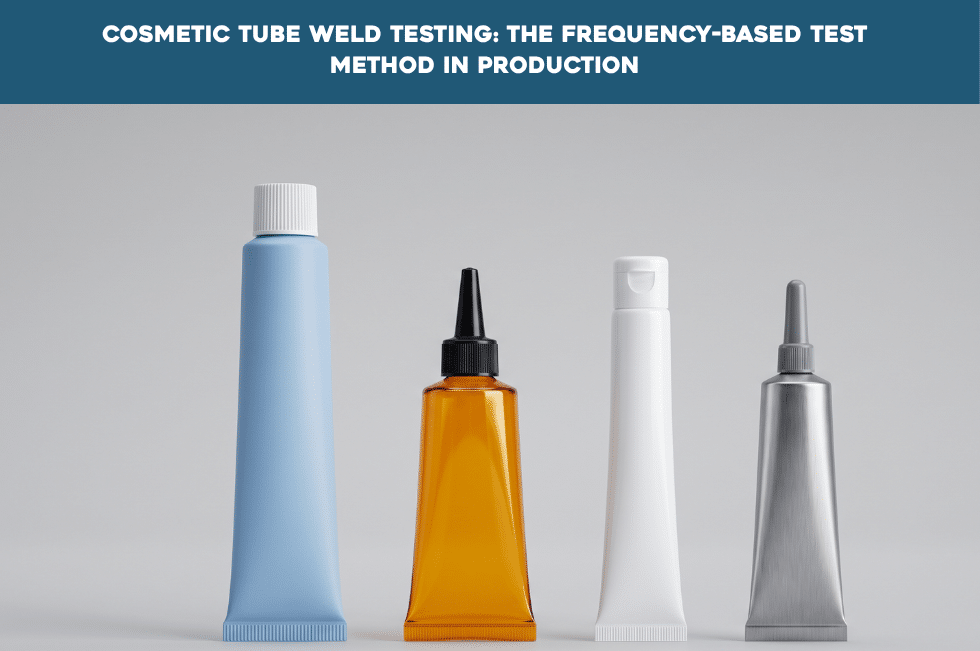
A shampoo tube leaking on the shelf, a pharmaceutical cream tube whose tail splits open at the first squeeze, a food condiment tube weeping in transit: in all three cases, the defect comes from a poorly controlled weld that should have been caught before the product...
A child-resistant cap rests on a mechanical paradox: it must resist a child under 52 months while remaining easy to open for a senior adult. This trade-off plays out in a two-step mechanism whose compliance cannot be verified with a simple torque measurement. Two...
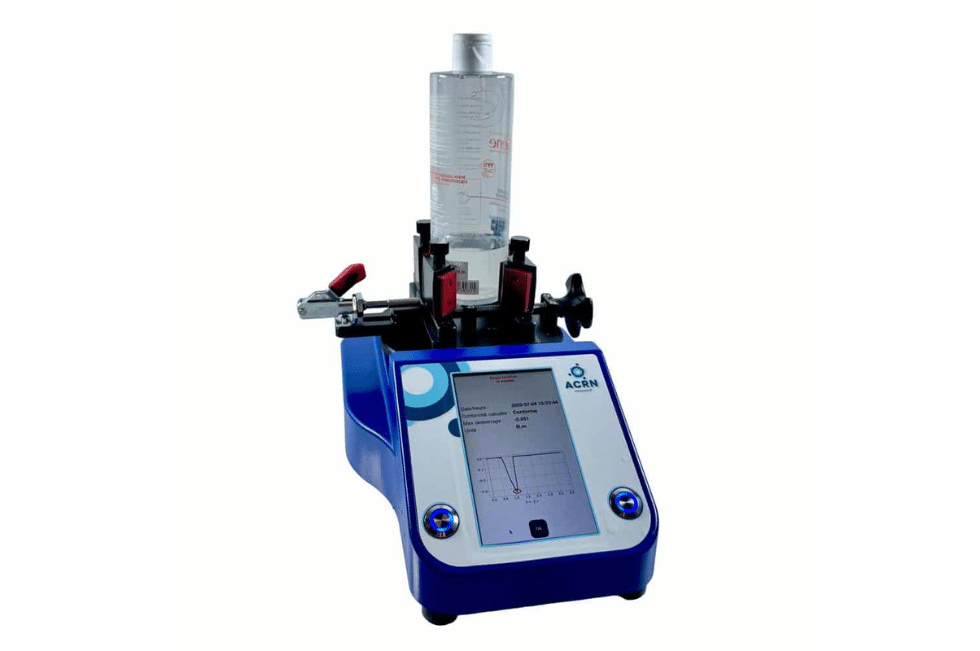
On a tamper-evident cap (with a tamper-evident ring), opening the cap generates two successive torque peaks: the torque required to break the ring, followed by the torque required to rotate the cap. Virtually all the relationship meters on the market measure just one....
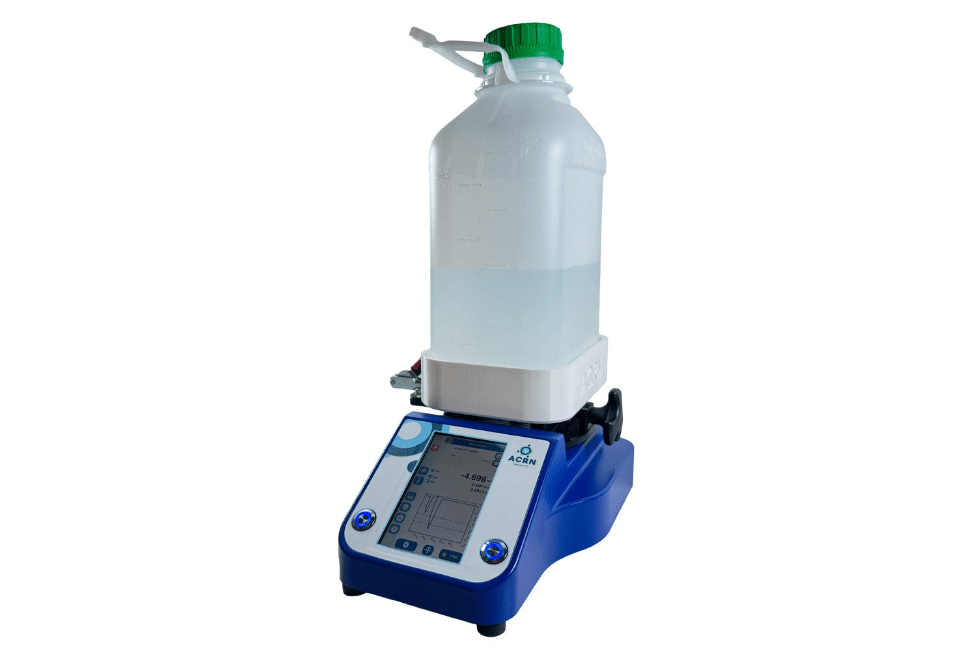
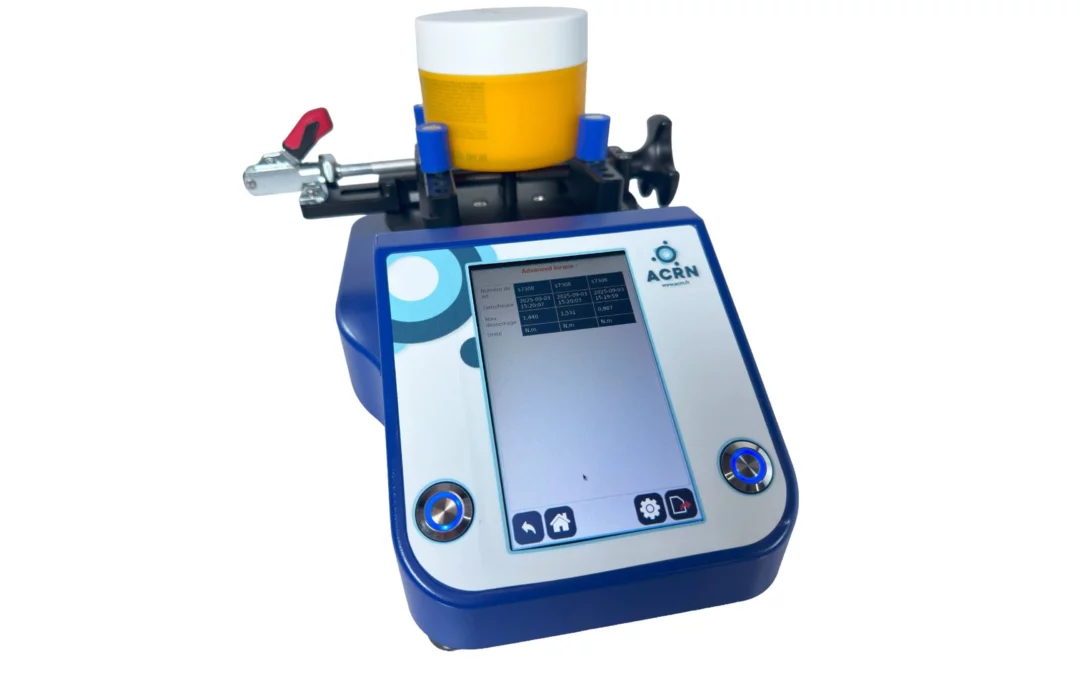
Cap torque testing standards define how manufacturers should measure and control this critical parameter. In the packaging industry, the tightening torque of a cap is one of the most critical quality parameters—and yet one of the most overlooked. A cap that is not...
Packaging leak-tightness is often the last thing you think about… until the day a product leaks, gets contaminated, or fails quality control. In the cosmetic, pharmaceutical, food & beverage, and chemical packaging industries, ensuring packaging integrity is not...